Indica Makes You Sleepy, Sativa Lifts You Up: Busting a Stubborn Myth
Walk into almost any conversation about cannabis and the same two boxes appear. Indica pins you to the couch. Sativa picks you up and sends you out the door. It gets repeated so confidently, by shops and growers and packaging alike, that it has the ring of settled fact. As rough botany it holds up fine. As a promise about how a plant will make you feel, it is mostly wrong, and the gap between those two things trips up more growers than almost any other piece of received wisdom.
Worth pulling apart, then, for adults growing where it is legal.
Where the labels actually come from
Indica and sativa started life as descriptions of how the plant grows, not how it feels. Broadly, indica-type plants are short, bushy, and broad-leaved, with shorter flowering times suited to harsher, cooler climates. Sativa-type plants run tall and lanky, narrow-leaved, with longer flowering times that evolved in warmer, equatorial conditions.
That is useful when you are deciding what fits a tent or an outdoor plot. It tells you nothing reliable about the experience the finished flower delivers. The labels describe a body shape, and somewhere along the line that body shape got drafted into making promises it was never built to keep.
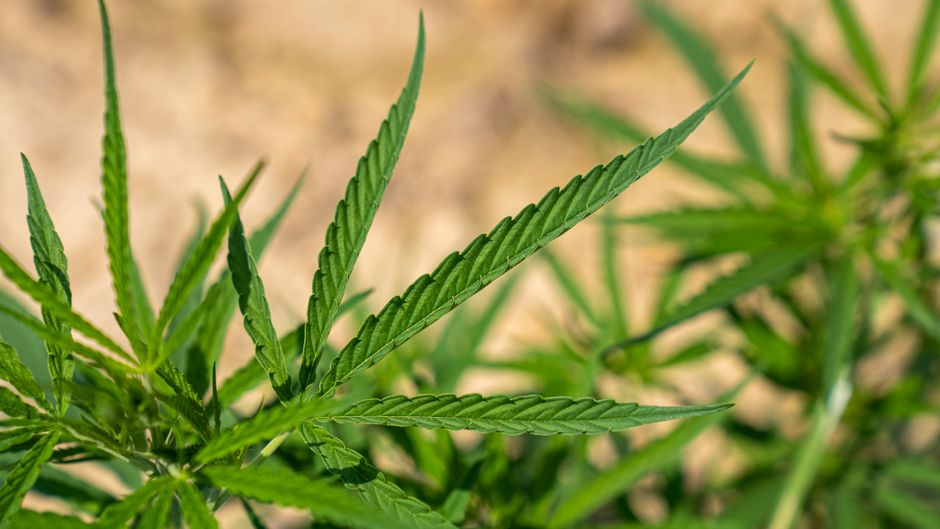 Indica y sativa describen la forma de la planta, no el efecto.
Why the effect story falls apart
Start with the obvious problem, one that takes about 30 seconds to confirm on any seed bank's own catalogue: almost nothing on the market is purely one or the other. The overwhelming majority of modern strains are hybrids, crossed and re-crossed so many times that calling any given plant a pure indica or pure sativa is usually fiction. When the label is half-inaccurate before you even open the jar, any prediction built on it is shaky from the start.
A 2021 study in Nature Plants tested the chemistry of nearly 90 commercial samples and found that the indica/sativa label on the jar had almost no correlation with the actual cannabinoid profile inside. Samples sold under the same strain name were sometimes as chemically different from each other as samples with completely different names. The deeper problem is that effect comes from chemistry, not category. What a plant does is shaped by the particular blend of cannabinoids and terpenes it actually produces, not by its leaf shape. Two plants both sold as indica can land in completely different places. A so-called sativa can feel calming; a so-called indica can feel bright and busy. Genetics, growing conditions, and the individual using it all weigh more heavily than the word on the label.
The plant does not know which box we filed it in. It will do whatever its chemistry tells it to, regardless of the story we wrapped around it.
The terpene angle
Part of why the myth refuses to die is that it is gesturing at something real, just clumsily. There are patterns. Plenty of relaxing strains happen to be rich in certain terpenes, and plenty of uplifting ones in others. But terpenes do not respect the indica-sativa line at all. A terpene linked to sedation can turn up strongly in a plant everyone happily calls a sativa.
So the better question was never indica or sativa. It is what is actually in this plant. Reading a strain by its described terpene profile and chemistry tells you far more than its botanical category ever will, which is also why so many seed banks now breed for terpenes rather than chasing the highest THC figure.
Why the myth survives anyway
A myth this durable usually survives because it is convenient. Two boxes give shoppers a tidy system, and tidy sells. A budtender or a listing hands you a one-word answer and you walk off feeling informed. The catch is that the simplicity is paid for in accuracy, and the grower leaning on it ends up surprised by their own harvest.
It also survives because it is occasionally right, which is the most stubborn kind of wrong. When the shorthand happens to match a plant, the hit gets remembered and reinforces the belief. The misses get quietly forgotten.
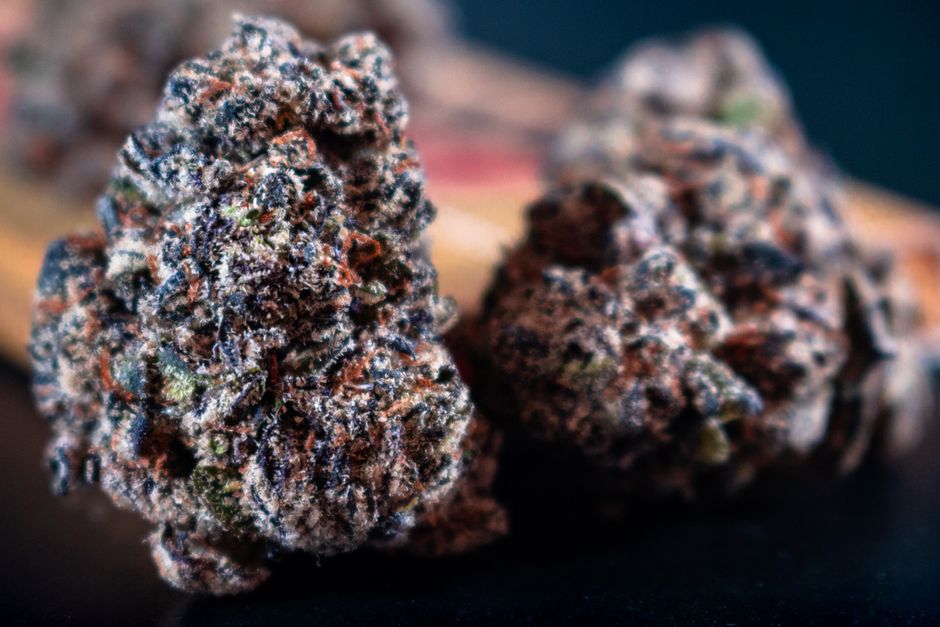 Dos cogollos de aspecto similar pueden comportarse de forma muy distinta.
What to actually do with this as a grower
You do not have to throw the words out. Keep indica and sativa for what they are good at, and stop asking them for what they cannot give:
- Use the category as a guide to how a plant grows — size, structure, flowering time, climate preference.
- Ignore it as a guarantee of effect; that is where it fails you.
- Read the specific strain and its lineage instead. If you are unsure how, learning to read genetics off a lineage label is the single most useful habit here.
- Pay attention to the described aroma and terpene character. That is where the honest signal lives.
None of that is harder than trusting the two-box story. It is just more accurate, and accuracy is the thing that turns a hopeful order into a harvest that actually matches what you wanted.
The study behind all this is worth sitting with for a second, because it did not just find noise, it found the labels correlating with something real: not effect, but the genes controlling terpene synthesis. A separate, much larger analysis covering over 90,000 cases from dispensaries across 6 US states, published a year later, reached the same conclusion from a different angle: real chemical clusters exist in the market, they just do not line up with the three-word label on the jar. In other words, "indica" and "sativa" still track a loose ancestry signal in the plant's aromatic chemistry, just not the tidy sedating-versus-energising story sold on the label. That is the honest version of the myth: half botany, half marketing, and worth reading past the two words on the jar every time.